Politika
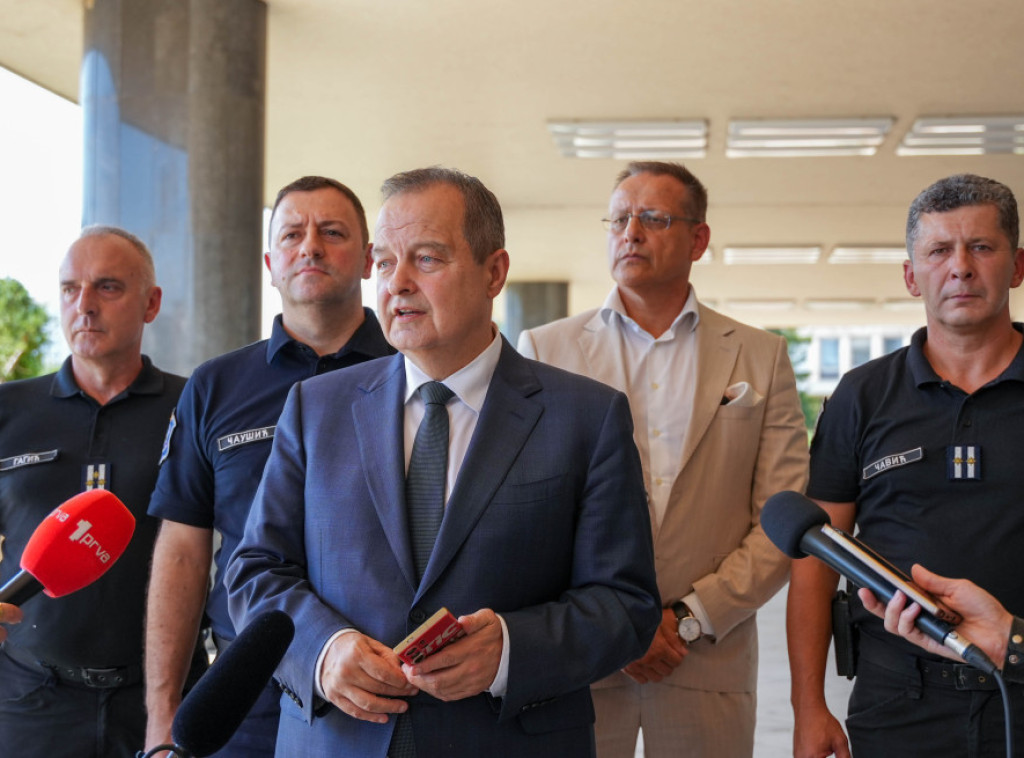
Ministar Dačić ispratio srpske vatrogasce-spasioce koji će gasiti požare u Francuskoj
31. jul 16:47


12. mart 2026 13:07
podeli vest

Foto: Shutterstock.com/Milan Petrovics, arhiva
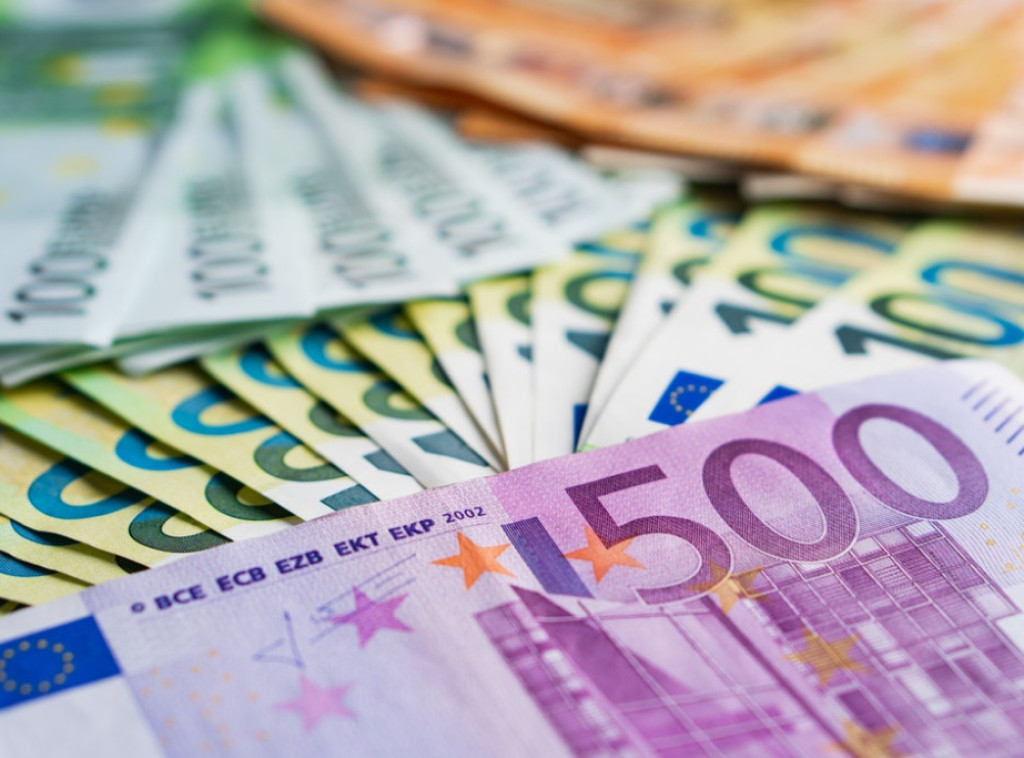
BELGRADE - The National Bank of Serbia (NBS) Executive Board decided on Thursday to keep the key policy rate at 5.75 pct, and also kept the deposit facility and lending facility rates unchanged at 4.5 pct and 7 pct, respectively, the NBS said.
"The Board made the decision primarily in view of actual and expected inflation, as well as factors from the domestic and international environment affecting its movements. Consistent with the Board’s expectations, y-o-y inflation continued to slow early in the year, to 2.4 pct in January, with the prices of food and non-alcoholic beverages declining by 1.0 pct on average from January 2025. Such price movement was largely driven by the application of the Decree on Special Conditions for Trade in Certain Types of Goods – which caps wholesale and retail trade margins. Inflation is expected to continue moving within the 3±1.5 pct target tolerance band even after the expiry of the Decree, until end-2026 and in the medium run. This should be facilitated by a cautious monetary policy, the announced adoption of systemic laws that will curb unfair merchant practices, as well as by the onset of a new agricultural season, assuming that it turns out better than last year’s," it said in a statement.
"The increase in disposable income - mainly due to wage growth - and the low base from September 2025 (when the implementation of the Decree began) will work in the opposite direction. However, we do not anticipate any major inflationary pressures from wage growth as it will be accompanied by gains in productivity. Furthermore, the NBS measures to stimulate lending to lower-income citizens are calibrated to avoid excessive credit growth, which could negatively affect price and financial stability.
As for developments in the international environment, the Executive Board emphasizes that it will continue to pursue a cautious monetary policy, primarily bearing in mind geopolitical tensions and the conflict in the Middle East, the impact of these events on growth in global prices of energy and other primary commodities, as well as on uncertainty indicators. The scale and length of this supply-side shock are hard to predict, as are its effects on global inflation. What can be assumed at the moment is that the major hike in international crude oil prices will also be reflected in the movement of petroleum product prices at home. Also, current global developments may additionally affect supply chains, investment and consumer confidence, and goods and capital flows because they were experiencing pressure even before the latest crisis broke out, due to the rising protectionism in the world’s largest economies. As for monetary policy decisions by leading central banks, the Middle East conflict has increased uncertainty regarding the outlook for the US and European inflation and economic activity, and hampered the assessment of future monetary policy decisions by the Fed and the ECB.
At the beginning of this year, economic activity in Serbia was also exposed to significant challenges, primarily due to reduced production at the Pancevo oil refinery, which was reflected in a decline in industrial production in January. Nevertheless, a long-term sustainable solution for the smooth operation of NIS is looming large, which should also contribute to the acceleration of economic growth in the remainder of the year. A positive contribution to GDP growth this year is anticipated from consumption and fixed investment, supported by the implementation of investments under the Leap into the Future - Serbia Expo 2027 programme. In 2027, net exports are also likely to be a positive contributor to growth due to the holding of the specialised Expo exhibition," the central bank also said.
31. jul 16:47
31. jul 16:37
31. jul 16:25
31. jul 16:18
31. jul 13:30
31. jul 16:07

31. jul 15:06

31. jul 13:58
31. jul 16:14
31. jul 15:24

31. jul 14:48

31. jul 15:28

31. jul 15:20

25. jul 16:53
31. jul 16:01
31. jul 15:10


31. jul 12:12