
9. maj 2023 17:24
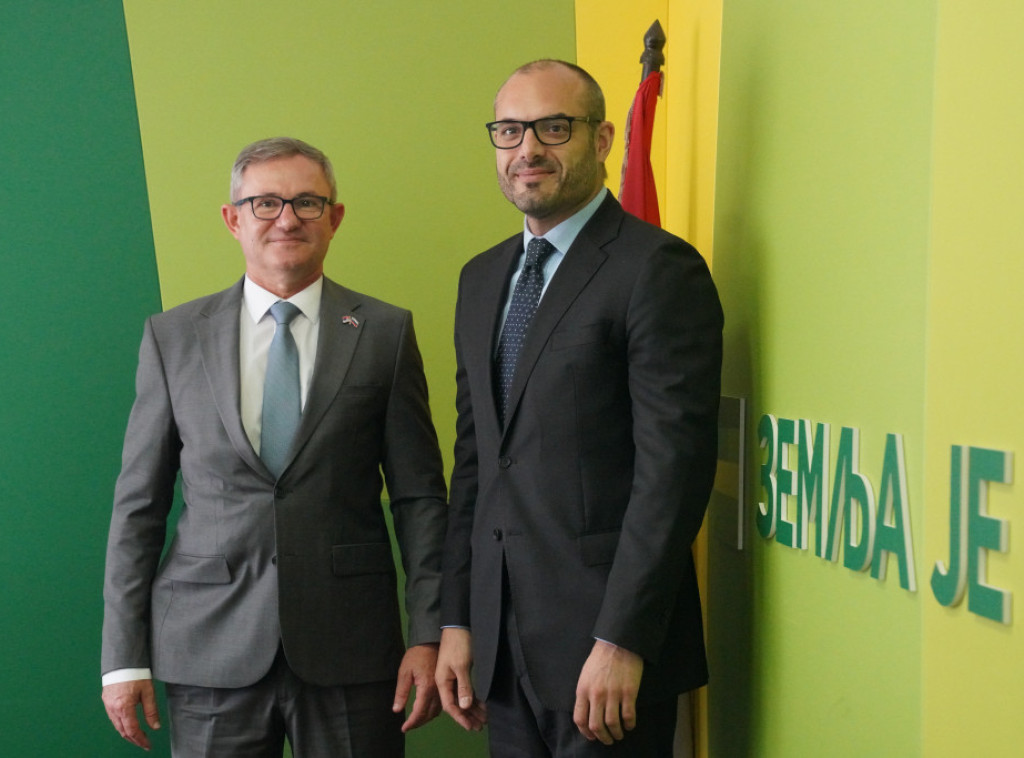
Djedovic meets with Lorkowski
podeli vest

Foto: TANJUG/MRE/ ZORAN PETROVIĆ
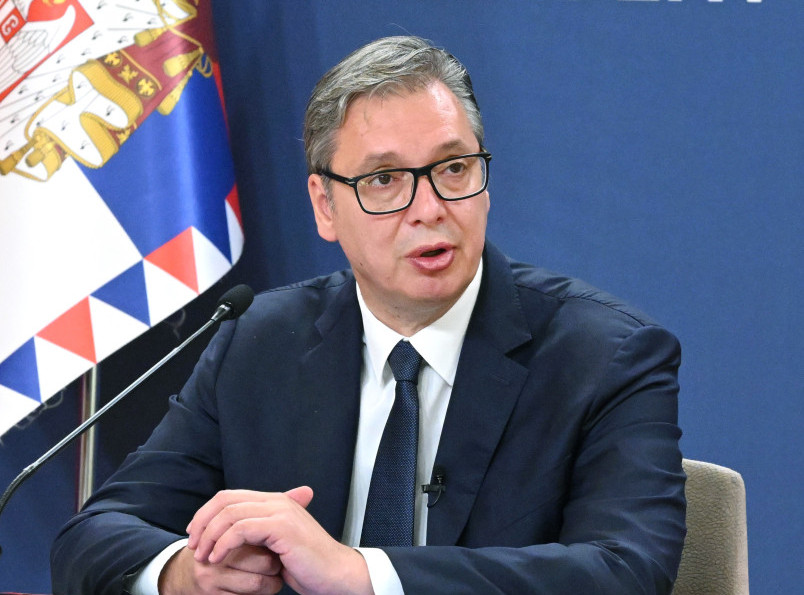
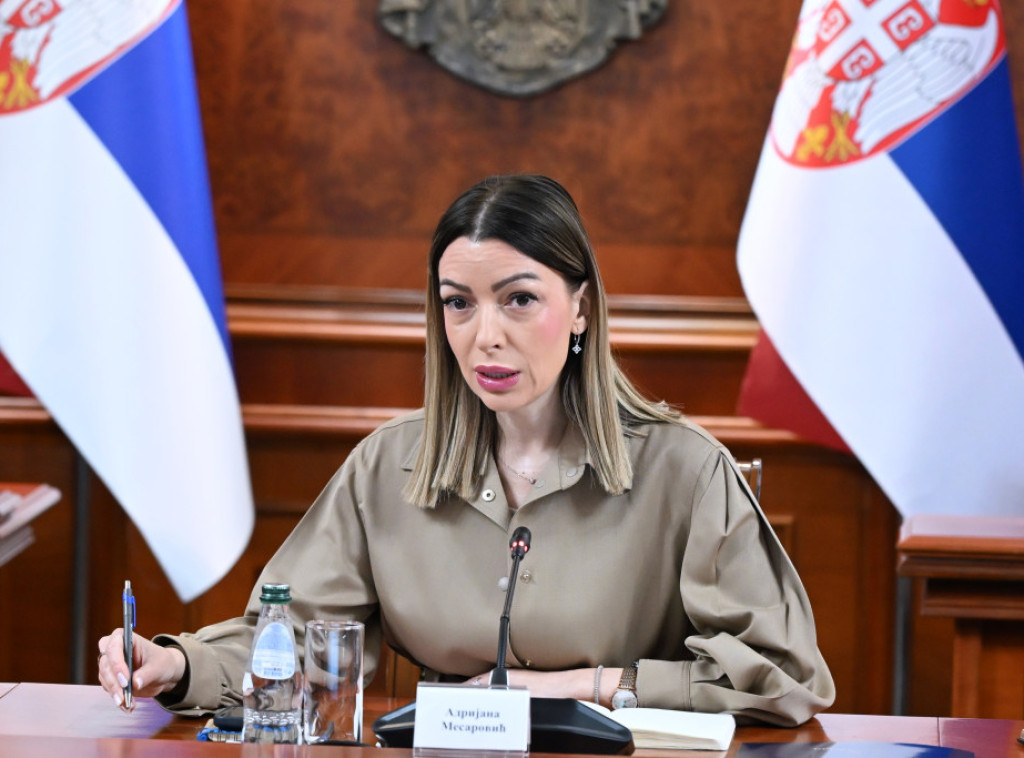
BELGRADE - Work on an integrated national energy and climate plan and a strategy of energy sector development is in the final phase and their adoption is due by the end of the year, Serbian Minister of Mining and Energy Dubravka Djedovic said at a meeting with Energy Community Secretariat Director Artur Lorkowski on Tuesday.
According to a statement released by the Ministry of Mining and Energy, Djedovic and Lorkowski discussed the preparation of strategic documents and advancement of regulations in the energy sector, reforms of state-owned energy companies and diversification of energy supply sources.
Djedovic noted that the passage of the documents, as well as advancement of legislation and the adoption of priority projects in the energy sector would complete a new energy policy that was due to ensure greater energy independence to Serbia and decarbonise its energy sector by 2050.
To carry out this plan, we need a strong national power company, Djedovic said, adding that a transformation of the company was underway to enable it to handle an upcoming investment cycle in collaboration with strategic partners.
She said that, besides a recently passed law on the use of renewable energy sources, amendments to the Energy Law were also planned for this year to enable a transfer of certain packages of EU regulations to the local legislation.
She added that preparations were also underway for setting up an organised intraday electricity market in early summer.
She said this was important for integrating new power generation capacities relying on renewable energy sources.
Djedovic and Lorkowski also discussed the Carbon Border Adjustment Mechanism (CBAM), and Lorkowski said the mechanism would have a major impact on business operations in Serbia and the wider Western Balkan region.
To obtain an exemption from CBAM for electricity, Serbia would need to integrate with the EU through market integration and, additionally, establish a fully functional emissions trading system by 2030 and commit to climate neutrality by 2050, Lorkowski said.
A regionally coordinated approach involving the Energy Community framework wherever possible can lead to the lowest costs and the biggest benefits for Serbia and other contracting parties in the Western Balkans, Lorkowski concluded.