

24. mart 2026 13:54
Drecun: NATO bombing of FR Yugoslavia buried int'l law, introduced law of the stronger
podeli vest

Foto: Tanjug/video
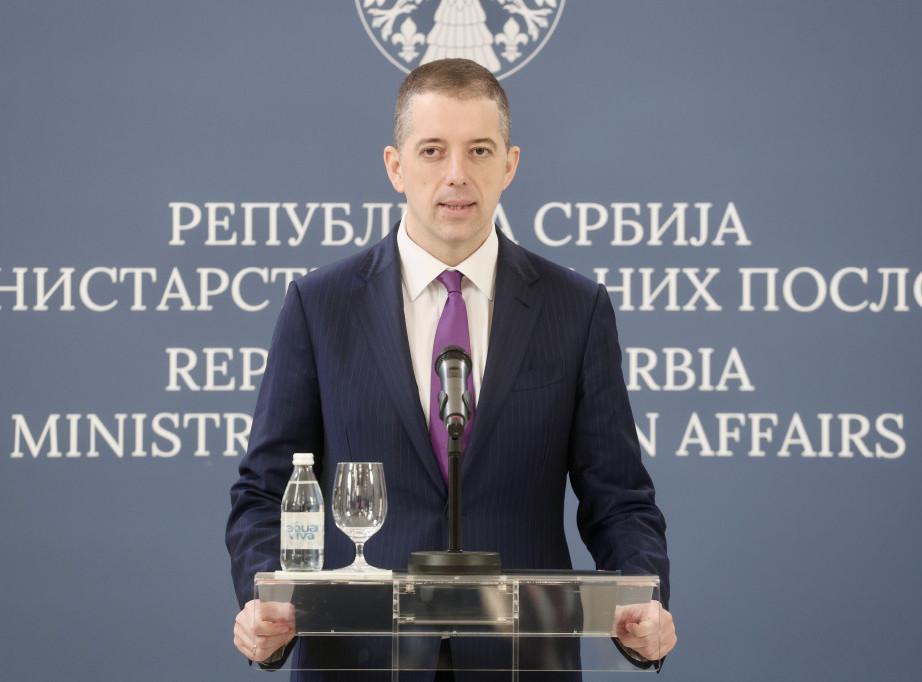
BELGRADE - The head of the Serbian parliamentary committee on defence and interior affairs Milovan Drecun said on Tuesday the 1999 bombing of the Federal Republic of Yugoslavia (FRY) had been the strongest successful attempt of violating the UN Charter and international law, and noted that the precedent had paved the way for many other military interventions, such as the current military operation in Iran.
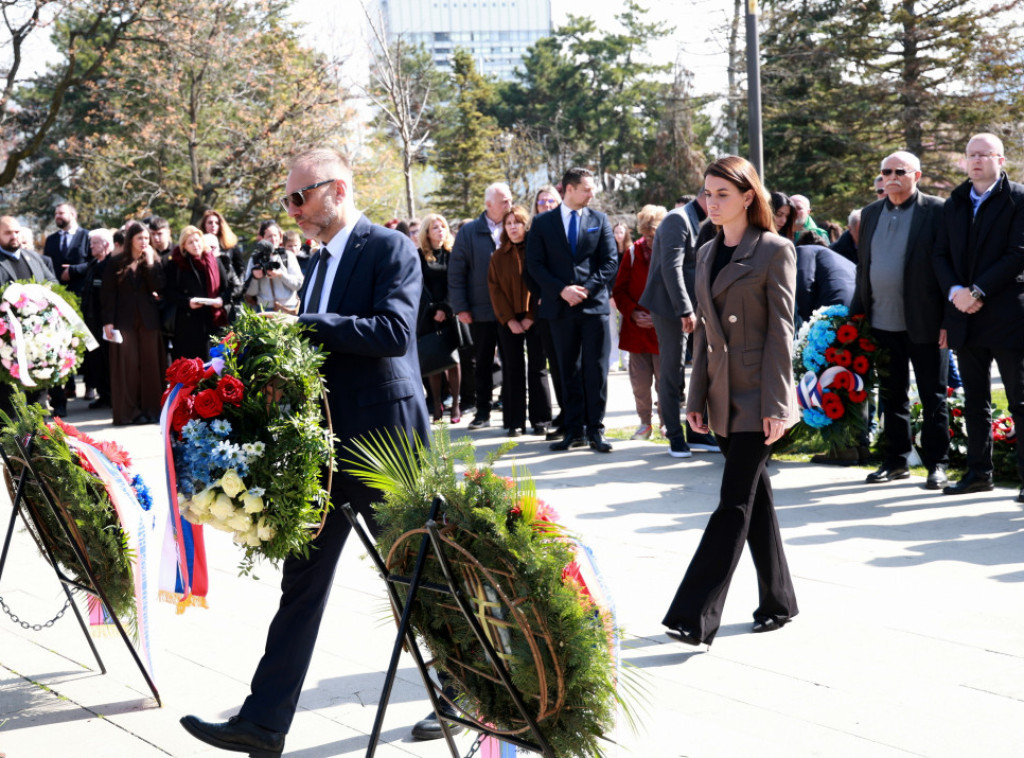
Speaking to Tanjug on the 27th anniversary of the NATO aggression on the FRY - which Serbia was a part of at the time - Drecun said the act had definitely buried international law and introduced the law of the stronger, and added that the objective of NATO and the US had been to try to change the principles of international law.
After failing to change the UN Charter, the US committed the criminal aggression on the FRY and established the principle of intervention over humanitarian disasters but, in fact, such a disaster occurred only after the NATO bombing, Drecun noted, adding that a seminar held in the British parliament had been told the NATO bombing had triggered a humanitarian disaster.
The military objectives were clearly defined because the Autonomous Province of Kosovo-Metohija is the soft underbelly of the Balkans, and NATO wanted to take control of Kosovo-Metohija in order to take control of the Balkans, he said.
"They also wanted a regime change in the FRY because they wanted to have our country as a potential NATO member, rather than as one that would oppose a further expansion of NATO. In general, the political goals were achieved when it comes to the UN Charter - it was completely violated at the time - the military goals were also accomplished to a significant extent, but one of their most important goals, turning 'Kosovo' into some kind of a state, is the job they have not succeeded in finishing to this day," Drecun said.
Asked if there was a realistic diplomatic alternative that could have averted the bombing, Drecun said the Rambouillet talks had been extremely unfavourable for Serbia because the US and other Western countries had tried to impose holding a referendum in Kosovo-Metohija three years after a deployment of international troops.
That would have meant accepting a lawful, referendum-based secession of the province, he added.
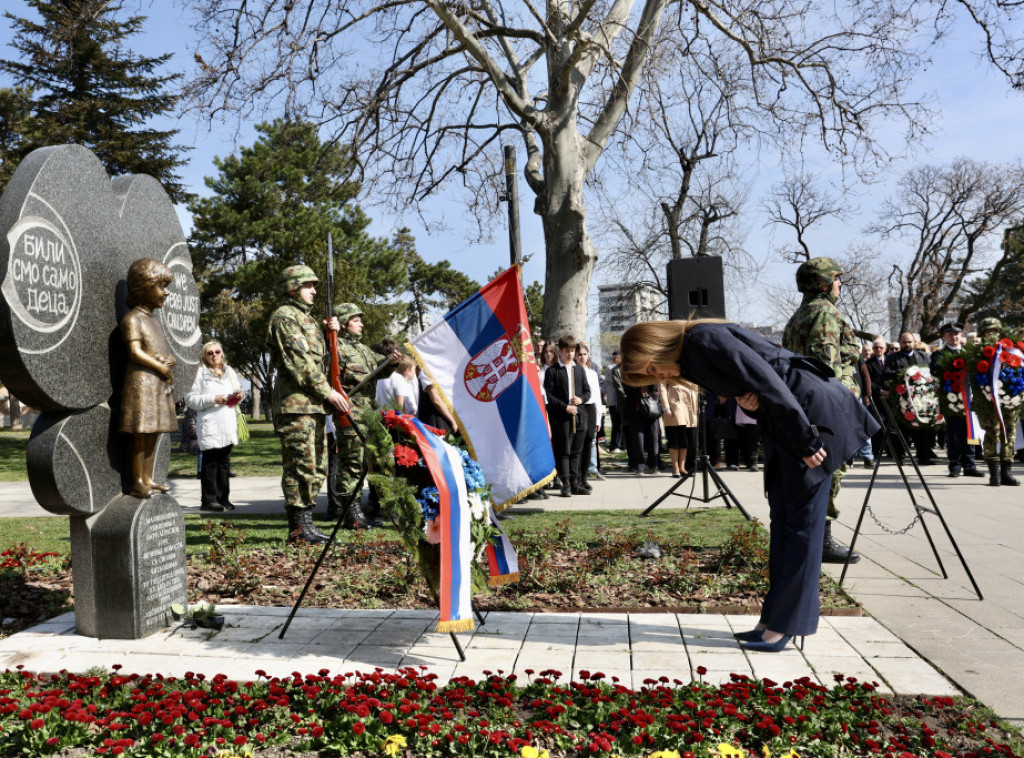
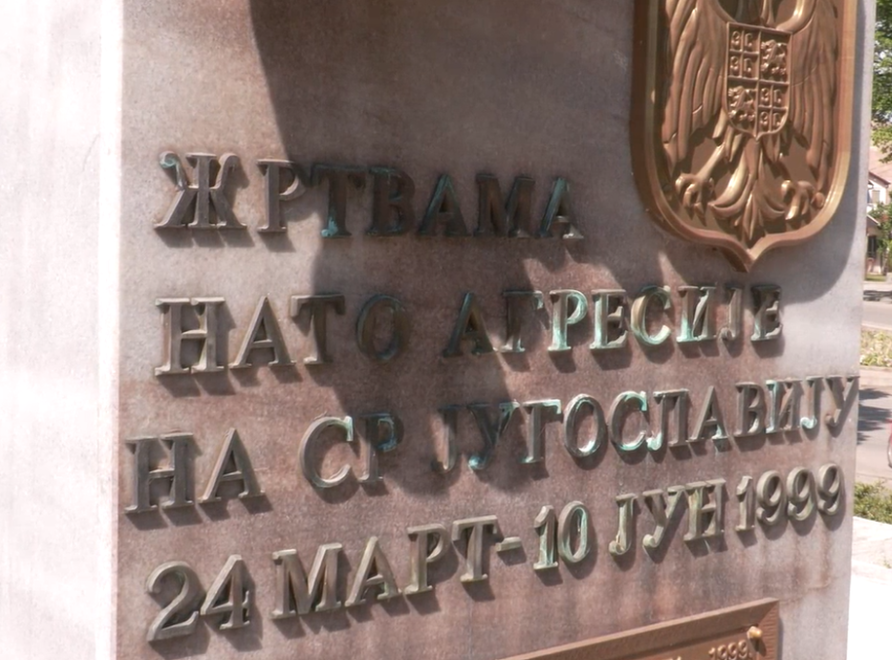
The NATO aggression began 27 years ago, in the evening of March 24, 1999.
It represented a precedent as it was committed without UN Security Council approval.
According to information released by the Serbian Ministry of Defence, 1,031 army and police troops were killed and 5,173 others were wounded in the 79-day NATO aggression.
Also, some 2,500 civilians, including 89 children, were killed and around 6,000 others, including 2,700 children, were wounded.
Twenty-five people are still reported missing.
The international public was made to believe the reason for the aggression was a grave humanitarian crisis in Kosovo-Metohija but, in reality, the so-called Kosovo Liberation Army committed a series of terrorist attacks in Kosovo-Metohija in 1998, targeting Serbian and FRY security forces, as well as numerous civilians, including non-Serbs.
It attacked major facilities, roads, communications hubs, the area along the border with Albania, as well as several towns.
The January 15, 1999 events in the village of Racak and the failure of talks in Rambouillet and Paris served as the pretext for the NATO aggression.
It was ended with the signing of the Kumanovo Military-Technical Agreement on June 9, 1999.