Politika
Skupština Srbije sutra nastavlja raspravu po amandmanima na tačke dnevnog reda
27. avgust 20:12


27. mart 2026 18:05
podeli vest

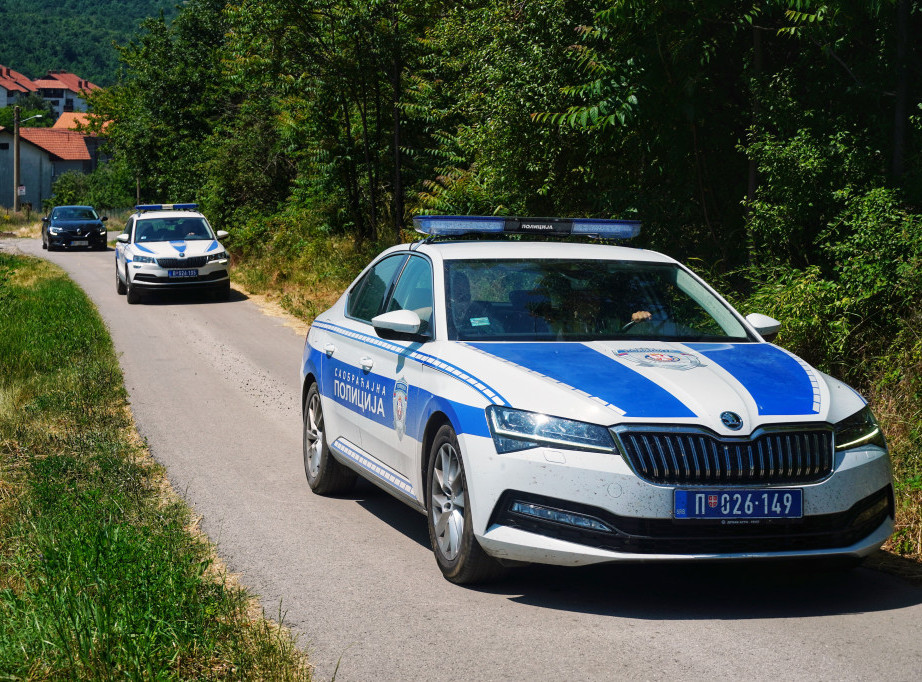
Foto: Tanjug/video/dopisnik Sremska Mitrovica
RUMA - Twenty-seven years ago today, just three days after the start of the 1999 NATO aggression on the then Federal Republic of Yugoslavia - which Serbia was a part of - a US F-117A warplane was downed in the rural Budjanovci area, northern Serbia, crashing in farmland.
Due to its stealth features, the jet was dubbed "The Invisible One" in Serbia.
In the evening of March 27, 1999, it was shot down by a pair of Neva missiles, fired by the 3rd Missile Division of the Yugoslav Army 250th Anti-Aircraft Missile Brigade, under the command of Col Zoltan Dani.
The majority of the downed plane is on display on two locations in Belgrade - the Museum of Aviation and a memorial room in the brigade command.
Smaller fragments of the jet became prized possessions of Budjanovci residents, who still remember the event as a moment of fear, as well as of exceptional pride, as the downing of the plane boosted the nation's morale at a crucial time - the beginning of the NATO aggression.
That evening, Zlatko Markovinovic went to work at a radio station in the nearby town of Ruma.
"I went to Ruma to work in the night shift, and then, from the town, I saw a ball of fire descending towards the village. I first phoned my mother and then also the neighbours, but no one answered. Soon, we found out that a plane was shot down. I went to the end of the village quickly and saw jubilant people rejoicing at the downing of the plane. At the time, we did not know how much it meant to us, but we became aware of that in the days that followed," says Markovinovic.
Markovinovic notes that, as soon as the news broke that a NATO plane was shot down over Budjanovci, residents feared retaliation.
"We were afraid that they would bomb our village," he adds.
At the time, the people of Budjanovci witnessed the crash of the myth of the "invisible" bomber.
Twenty-seven years on, they say that all they are hoping for is that what befell the Federal Republic of Yugoslavia will never happen again.
27. avgust 20:12
27. avgust 19:28
27. avgust 19:26

27. avgust 19:19

27. avgust 18:04

27. avgust 17:23


27. avgust 16:19

27. avgust 19:29

27. avgust 17:07

27. avgust 17:06
27. avgust 16:55

27. avgust 16:05


27. avgust 14:56

27. avgust 14:53

26. avgust 15:41
26. avgust 11:25