Politika
Vučević: Mnogo toga je urađeno u Požarevcu, ali mora još, svi su nam jednako važni
16. avgust 20:00



12. januar 2026 18:14
podeli vest

Foto: TANJUG/MILOŠ MILIVOJEVIĆ
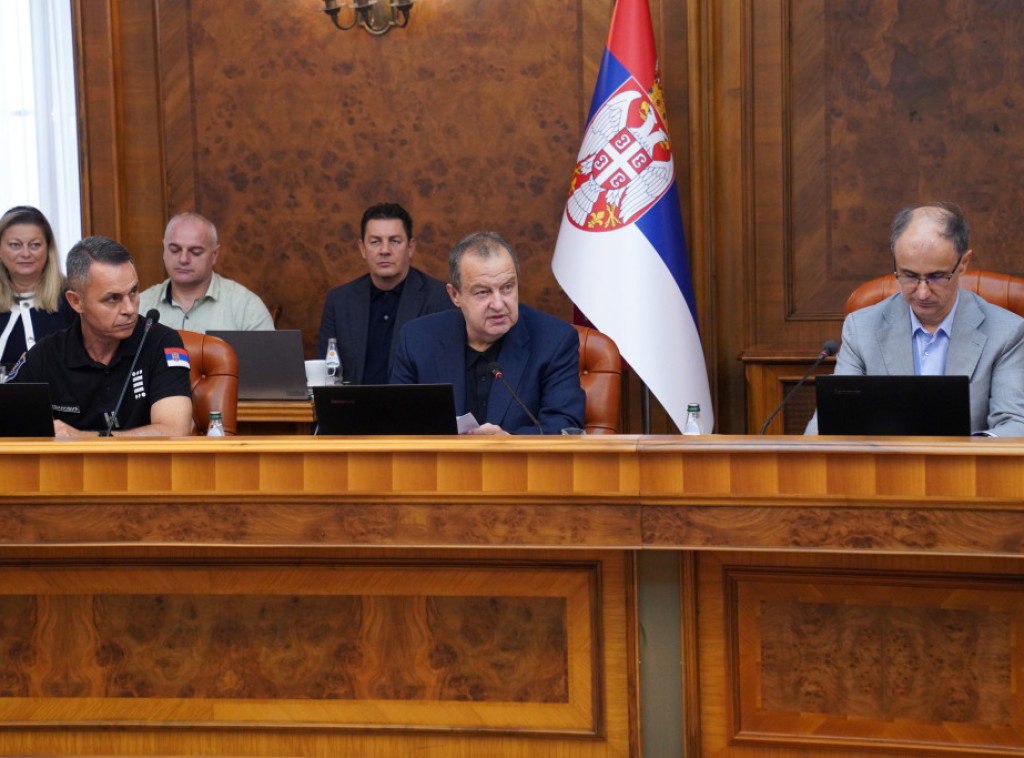
BELGRADE - Serbia has two strategic priorities for 2026 - preservation of stability and peace in the country and continued economic growth, says Serbian FM Marko Djuric.
"In 2026, Serbia will be standing firmly on its feet and looking primarily after its own interests. In line with the times we live in, our motto is 'Serbia first' and the Serbian state and national interest is the fundamental criterion and the basic gauge for our positioning in the international arena," Djuric told Tanjug in an interview.
As part of this, Serbia will continue to support international public law and the UN Charter, but preservation of Serbian state and national interests will be the priority because Serbs live outside of Serbia as well, he said.
Work on getting closer to the EU will be continued, as will efforts to maintain traditional friendships and make further progress in the relations with the US, he said.
Efforts will also be made not to miss an opportunity to build economic and political relations with African, Asian and Latin American states that will give Serbia, both as a country and a market, a comparative advantage over others, Djuric said.
For Serbia to successfully achieve the key national priorities for 2026 and continue to maintain stability and economic development, the Serbian diplomacy will have to play an even more active role, he said.
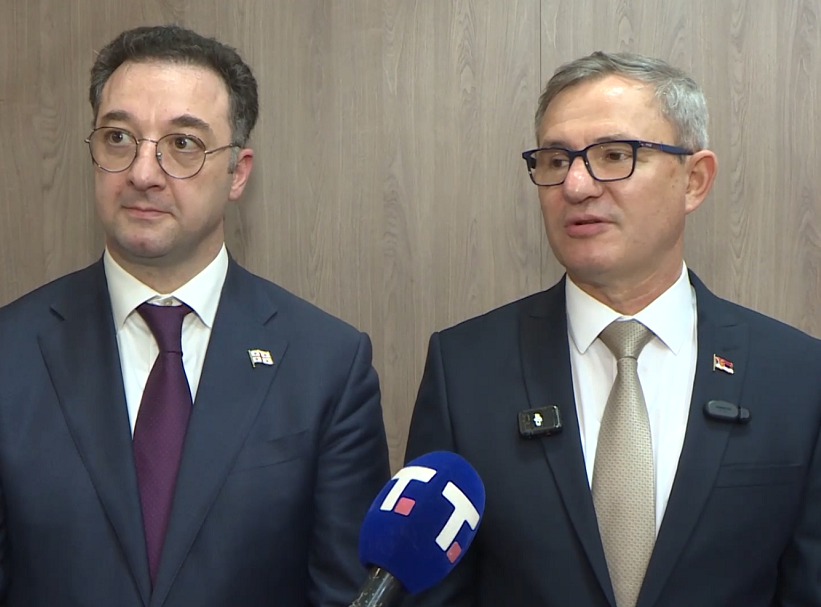
"In 2026, we will also be working on opening new diplomatic and consular offices. The government has already approved the opening of a new embassy in Riga, Latvia, that will be covering the Baltic states, and we also expect to open embassies in Georgia, Tanzania and several other countries this year," Djuric said.
Asked about Serbia's EU integration and failure to open Cluster 3 in the accession talks, Djuric said that, for a fifth consecutive year now, Serbia was prepared to open the cluster but that the EU member states' decision on the dynamics of the process was not up to Belgrade.
He said Serbia would do what it could to gain the political support of skeptical member states but that there were also "things that do not depend on us."
He added that it was not easy for Serbia to change an anti-enlargement sentiment that had become firmly established in some EU countries.
Speaking about Serbia's relations with the US in the wake of sanctions on the Russian majority-owned oil company NIS, Djuric noted that his job was to try to analyse things objectively and to speak the truth and facts in public appearances.
"It is a fact that the new US administration has made certain positive steps towards Serbia. By saying that, I am referring to Serbian national interests in the region being taken into account."
He said it was very important that US sanctions targeting many Repubiika Srpska officials had been lifted and that the attitude to the Bosnia and Herzegovina issue had changed fundamentally.
"When it comes to Washington's policy, there is no insistence or pressure in terms of unitarisation of Bosnia and Herzegovina, which was not the case with some previous administrations," he said.
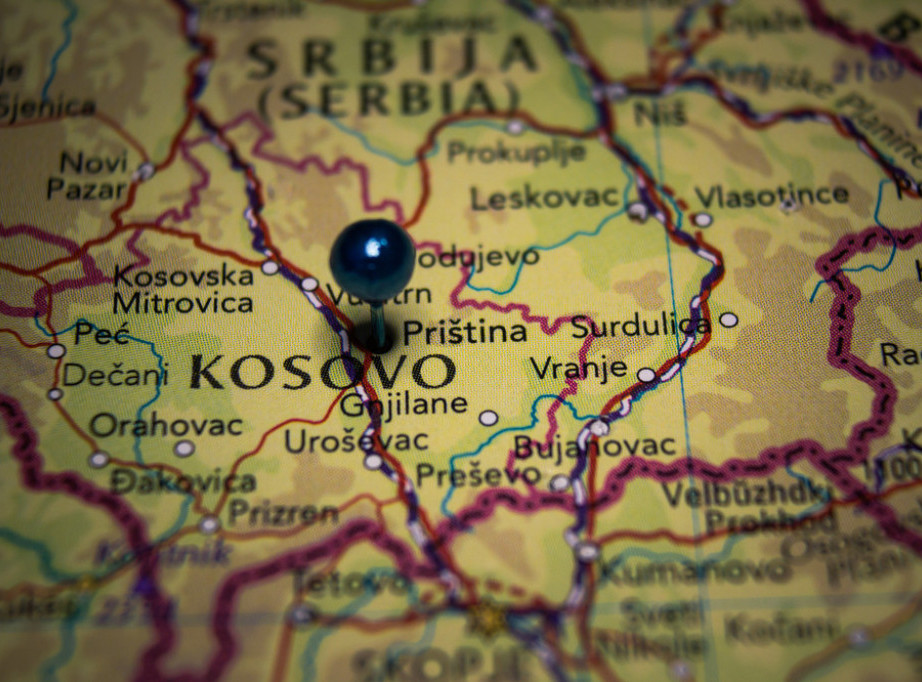
Djuric said Serbia and the US had differing positions on the status of Serbia's Autonomous Province of Kosovo-Metohija but that it would be unfair not to notice that a certain step forward had been made when it comes to the US attitude to the Kosovo-Metohija issue.
"We must assess things objectively and say that the Trump administration has suspended strategic dialogue with the Kurti government and withheld hundreds of millions of dollars in development aid. And that is a consequence of their assessment of the jeopardy to the position of Christians, that is, of Serbs in Kosovo-Metohija," he said.
16. avgust 15:11

16. avgust 14:46

16. avgust 14:27

16. avgust 14:13


16. avgust 16:08
16. avgust 14:58

16. avgust 14:18

16. avgust 14:01
16. avgust 22:50

16. avgust 22:46

16. avgust 21:50

16. avgust 21:43

16. avgust 21:10

16. avgust 22:57
16. avgust 20:31

16. avgust 17:29


16. avgust 23:02
16. avgust 22:55
16. avgust 22:50
16. avgust 22:46

16. avgust 22:31

16. avgust 15:06
15. avgust 22:45


16. avgust 21:28
16. avgust 19:44
16. avgust 18:15
16. avgust 18:19
16. avgust 14:10

15. avgust 21:58