

15. april 2025 18:14
Macut: Macroeconomic stability, sustainable economic development priority for new gov't
podeli vest

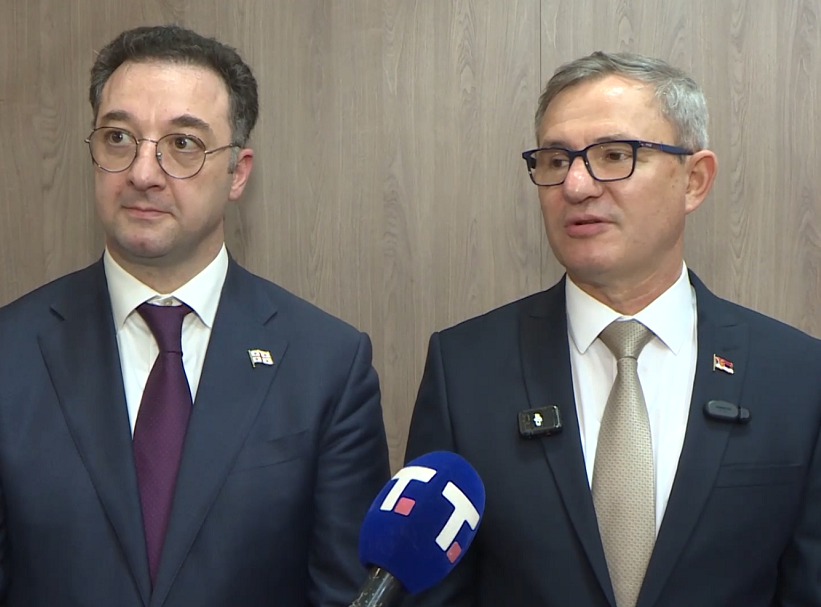
Foto: Tanjug TV
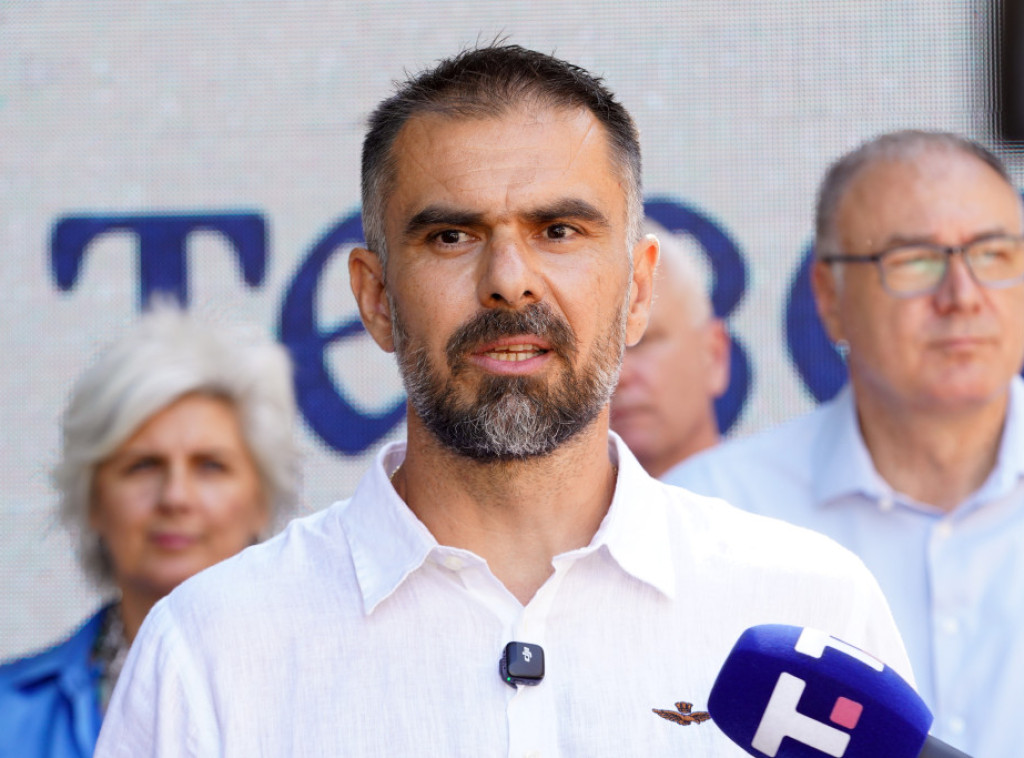
BELGRADE - Serbian PM-Designate Djuro Macut said in the parliament on Tuesday maintaining macroeconomic stability and creating the conditions for more dynamic and sustainable economic development in the future would remain the main government priority.
Presenting his cabinet's programme to MPs, Macut said the objective was being achieved through strategic public investments in infrastructure, industry modernisation, a transition towards a sustainable economy and development of high-added-value sectors, such as the ICT sector.
"Despite challenges and notable global fragmentation, Serbia has succeeded in maintaining macroeconomic stability thanks to diversification of production and exports, a responsible fiscal policy and a substantial FDI inflow. That remains our goal for the future as well," Macut said.
He noted that Serbia's financial system was secure and stable, with an investment-grade credit rating, a high level of FX reserves and public sector deposits and a relatively low public debt ratio compared to the European average.
"Public debt is on a declining trajectory and will amount to 46 pct of GDP by the end of the medium-term period," Macut said.
He noted that fiscal discipline remained the key framework of the economic policy, with a target fiscal deficit of 3 pct of GDP, which he said would make it possible to finance crucial investments as part of the Leap Into the Future - Serbia 2027 programme, as well as to bolster the country's defence capabilities.
He said changes to a fiscal deficit restriction rule would be postponed until 2029 to allow for the completion of an investment cycle.
Macut said Serbia's economic growth was expected to pick up in the coming period.
"Under a macroeconomic projection, Serbia will register 13.7 pct cumulative growth in 2025-2027, or an average annual growth rate of 4.4 pct. The growth will be driven by domestic demand, with the employment rate, earnings and living standards to continue to grow. Investments in infrastructure, energy and utility systems will contribute to growth of investments, while public spending will remain under control," Macut said.